

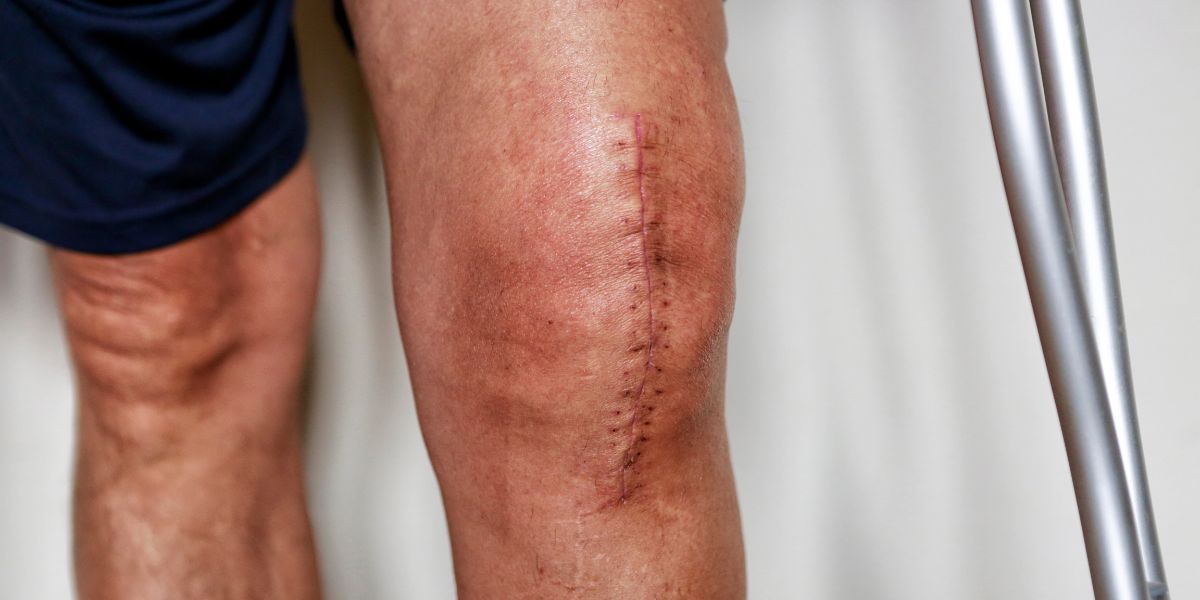
How to Reduce Swelling After Knee Surgery: Best Ice Therapy for ACL, Meniscus & Knee Replacement
Swelling after knee surgery is common, but managing it well can make a big difference to your comfort, mobility and recovery. Whether you have had an ACL reconstruction, meniscus surgery or a knee replacement, one of the most effective ways to reduce swelling is with targeted ice therapy and compression.
In this guide, we cover:
- why swelling happens after knee surgery
- when to start icing your knee
- how long to use an ice pack for knee recovery
- the best type of knee ice pack for post-surgery swelling
 Targeted cold therapy can help reduce pain, swelling and stiffness after knee surgery.
Why Does Swelling Happen After Knee Surgery?
Swelling is part of your body’s normal healing response. After surgery, your body sends fluid, blood flow and healing cells to the joint. This is important for repair, but too much swelling can make recovery harder by increasing pain, limiting movement and slowing rehabilitation.
Common causes of swelling after knee surgery include:
- inflammation from surgical trauma
- fluid build-up in and around the joint
- reduced circulation from resting or limited movement
- increased activity during rehabilitation
The goal is not to eliminate all swelling instantly, but to manage it consistently so you can move more comfortably and progress through recovery with less discomfort.
Best Ways to Reduce Swelling After Knee Surgery
1. Use Ice Therapy Early
Cold therapy is one of the most effective ways to reduce swelling after knee surgery. Applying an ice pack for knee recovery helps narrow blood vessels, reduce inflammation, limit fluid build-up and relieve pain.
Many people search for the best ice pack for knee surgery because standard flat ice packs often do not stay in place or provide enough coverage. A knee-specific wrap or ice pack with compression is usually more practical, especially when you are resting, moving around the house or icing after exercises.
For best results, ice your knee for 15 to 20 minutes at a time, especially after physiotherapy, walking or extended time on your feet.
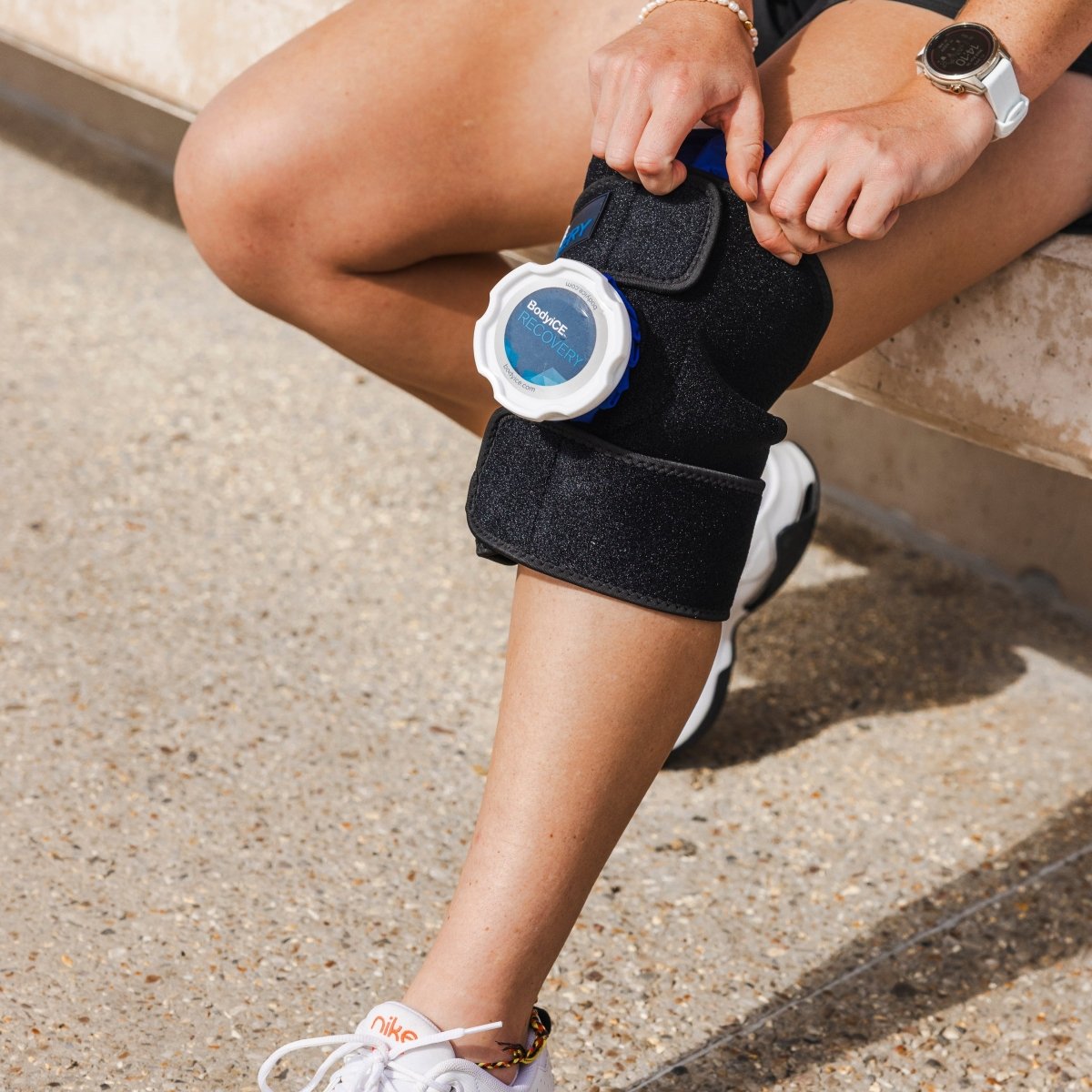
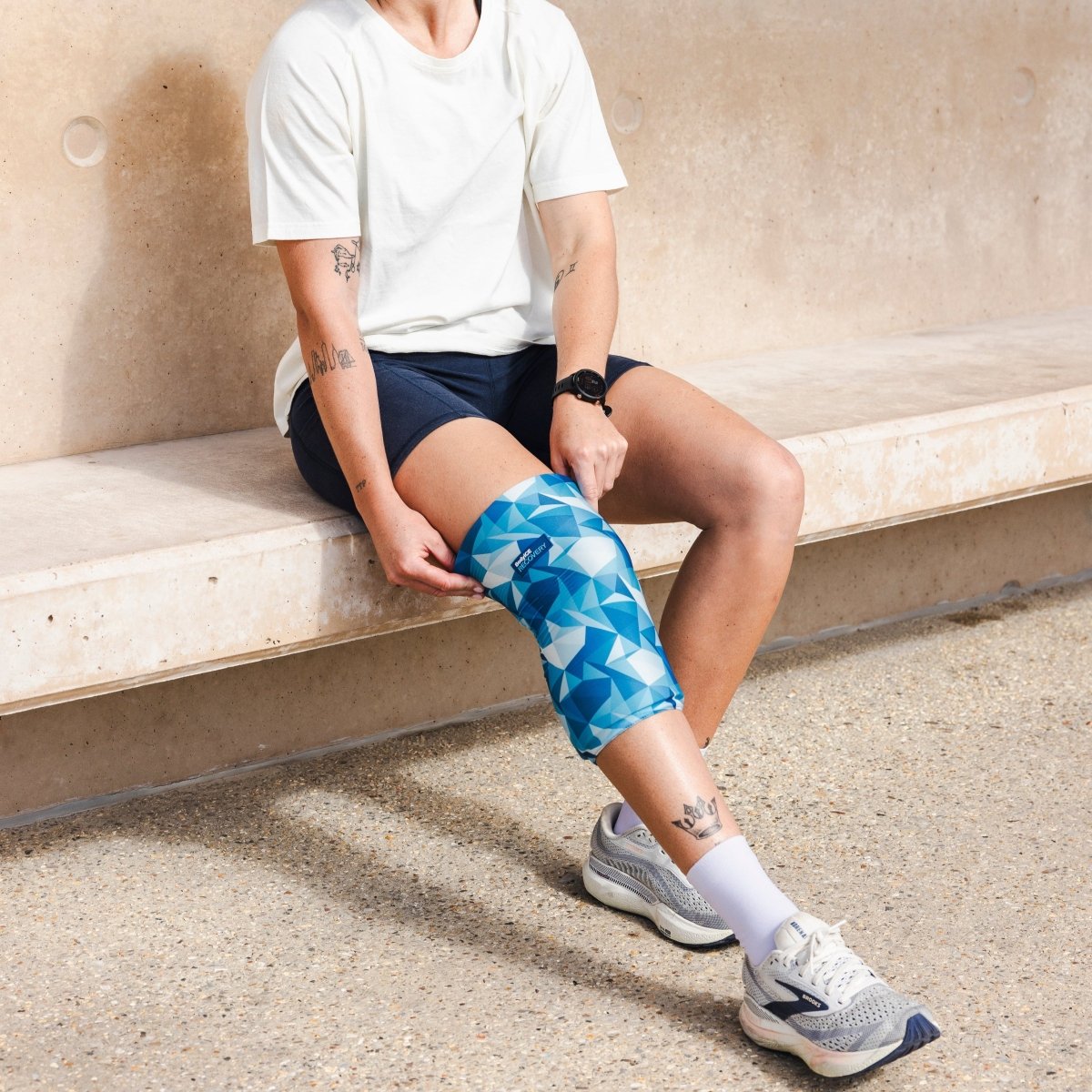
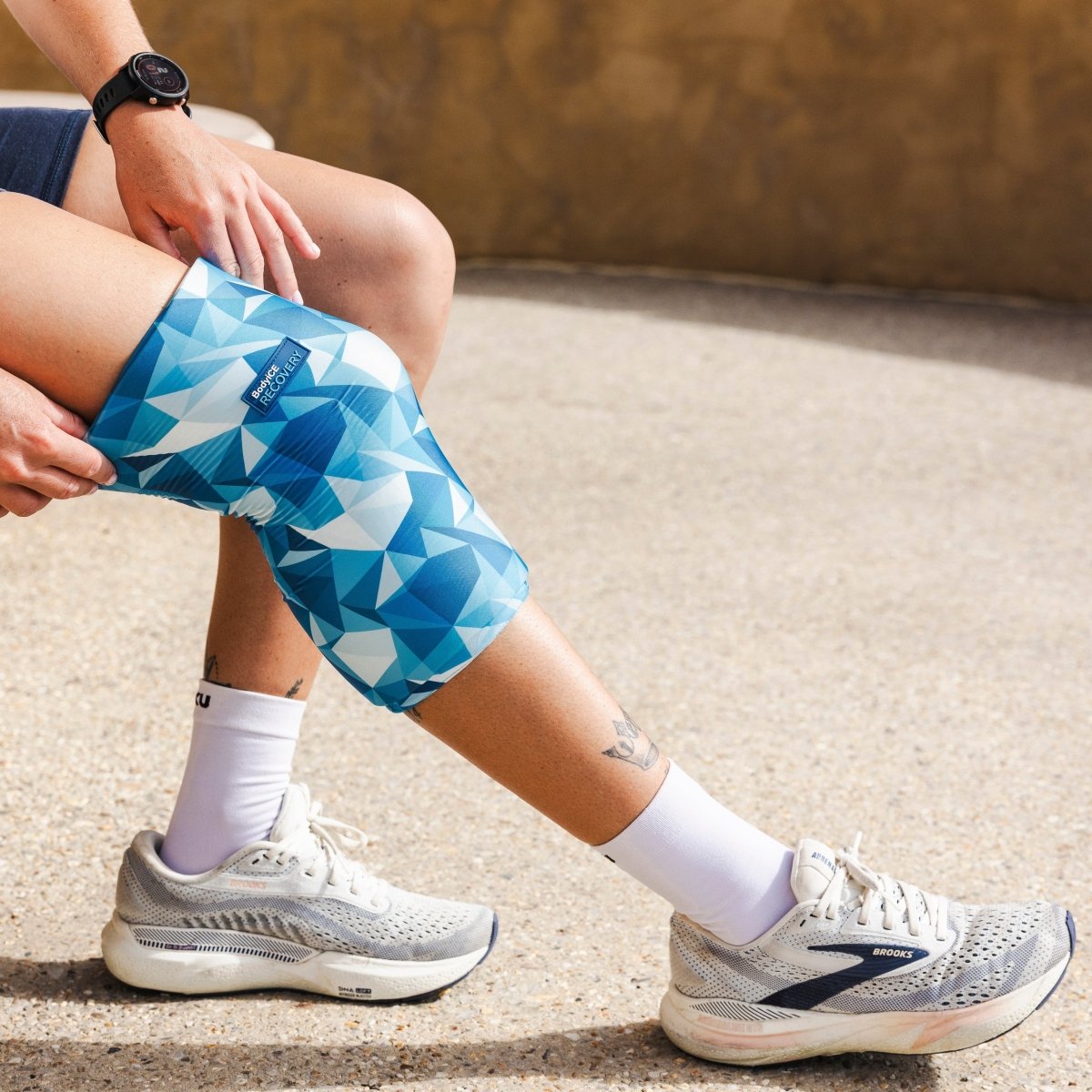
 A secure knee ice pack gives better coverage than balancing a flat pack on top of the joint.
2. Add Compression
Compression helps reduce excess fluid build-up and gives gentle support around the joint. When paired with ice, it can be even more effective than cold therapy alone.
That is why many people recovering from surgery choose cold and compression sleeves or a knee ice pack with a strap that stays in place while they rest.
Benefits of cold and compression include:
- more even cooling around the joint
- less slipping and readjusting
- gentle support for the knee
- more effective swelling control

3. Elevate Your Leg
Elevation helps fluid move away from the knee and can reduce pressure in the joint. When resting, try to support your leg so it sits above heart level using pillows or cushions. This is especially helpful after walking, rehab exercises or long periods sitting upright.
4. Follow Your Rehabilitation Plan
Rest matters, but so does gentle movement. A physiotherapist-guided rehab plan helps improve circulation, restore range of motion and strengthen the muscles around the knee. Too little movement can allow swelling to linger, while too much too soon can aggravate it.
A good rule is to follow your prescribed exercises, monitor how your knee responds and use ice afterwards if swelling increases.
5. Manage Activity Levels Carefully
It is easy to do too much on a “good” day. Standing for too long, pushing rehab too hard or returning to activity before your knee is ready can all increase swelling. Pace yourself, build gradually and use recovery tools consistently rather than waiting until the knee becomes very sore or swollen.

When to Start Ice Therapy After Knee Surgery
In most cases, cold therapy is used in the early stages of recovery, particularly in the first days and weeks after surgery when swelling is highest. Always follow your surgeon’s or physiotherapist’s advice, but many patients benefit from regular icing throughout the day, especially after movement or exercises.
If you are unsure, think of ice as a tool for managing pain, swelling and post-exercise flare-ups. It is commonly used after ACL surgery, meniscus surgery and knee replacement recovery.
How Long Should You Ice Your Knee After Surgery?
A general guide is to use a knee ice pack for 15 to 20 minutes at a time. You can repeat this several times per day depending on your pain, swelling and activity levels.
Avoid placing ice directly on bare skin, and do not leave cold therapy on for too long in one session. Short, regular sessions are usually more effective and more comfortable than overdoing it.
What Is the Best Ice Pack for Knee Surgery?
If you are searching for the best ice pack for knee surgery, look for something that:
- wraps securely around the knee
- stays cold long enough to be effective
- provides gentle compression
- does not leak or slide out of place
- is easy to use at home
Flat ice packs and frozen peas can work in a pinch, but they usually do not stay in place well and rarely deliver consistent compression. For many people, a purpose-designed knee ice pack is a more practical option during recovery.
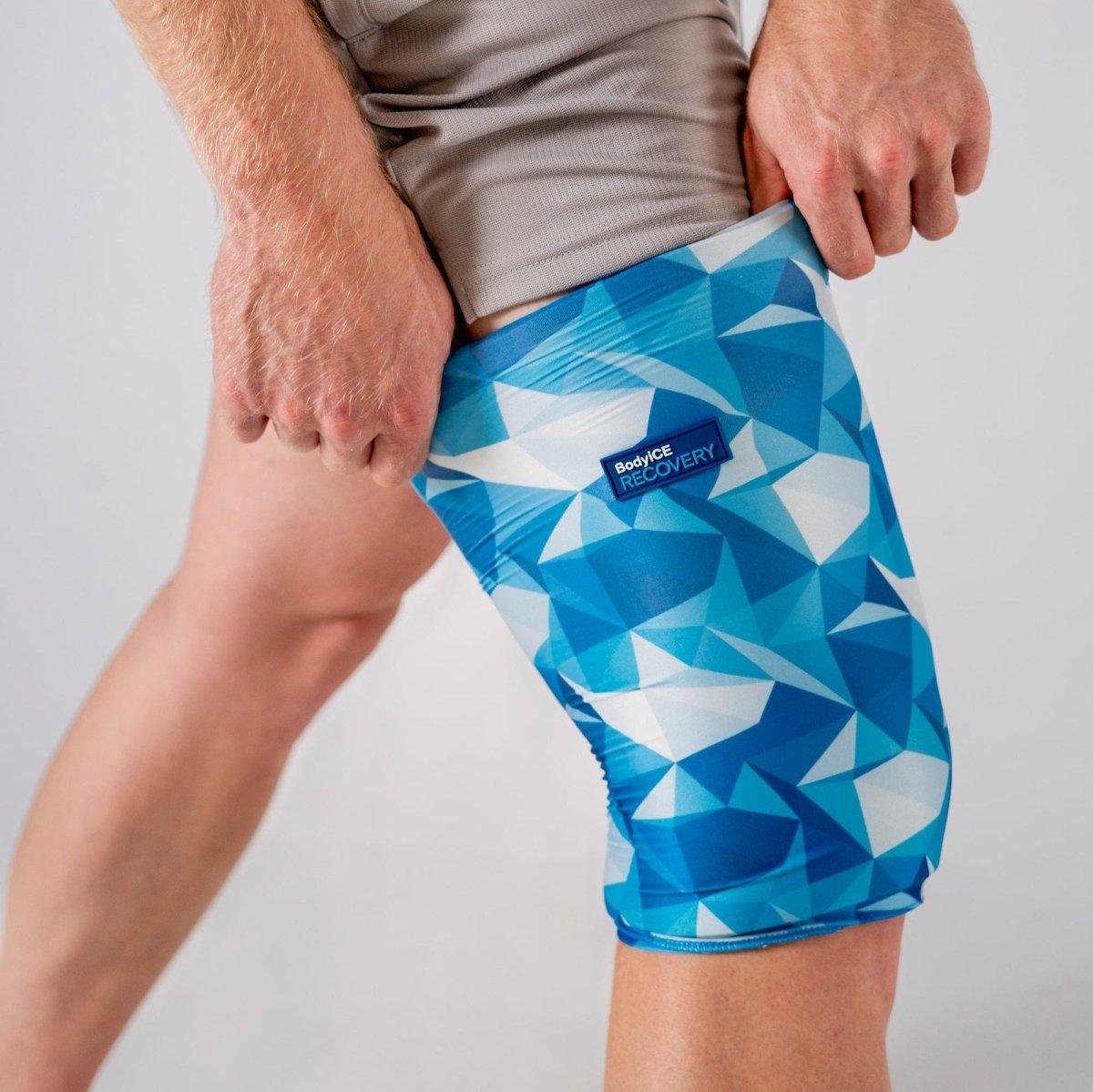
If you want a simple option that can be strapped on securely, the BodyICE Medium Universal Knee Ice Pack is designed to stay in place while delivering targeted cold therapy and compression. It is a practical option for post-surgical swelling, knee pain and everyday recovery support.

Ice Pack for Knee Replacement: What Works Best?
After a knee replacement, swelling and stiffness can last for weeks or even months during recovery. That is why many people specifically search for an ice pack for knee replacement rather than general post-surgery advice.
The most useful options are those that provide:
- targeted cold therapy around the whole joint
- easy application at home
- secure fit without having to hold the pack in place
- comfortable compression while resting or elevating
For more detailed advice, read our related guide: Best Ice Therapy After Knee Replacement: When & How to Use It for Faster Recovery.
Can Ice Reduce Swelling After ACL or Meniscus Surgery?
Yes. Ice therapy is commonly used after both ACL reconstruction and meniscus surgery to help manage swelling and pain, especially in the early stages of rehab. It can also be useful after exercise sessions when the knee feels hot, puffy or irritated.
The key is consistency. A good recovery plan often includes:
- regular icing
- compression
- elevation
- guided rehab exercises
- gradual return to activity
Why Cold + Compression Works So Well
Cold therapy helps calm inflammation. Compression helps limit fluid build-up. Together, they can help you manage swelling more effectively and feel more supported during recovery.
This combination is one reason why many athletes, physios and post-surgical patients prefer knee wraps, gel sleeves and strapped ice packs over loose, hard-to-manage options.
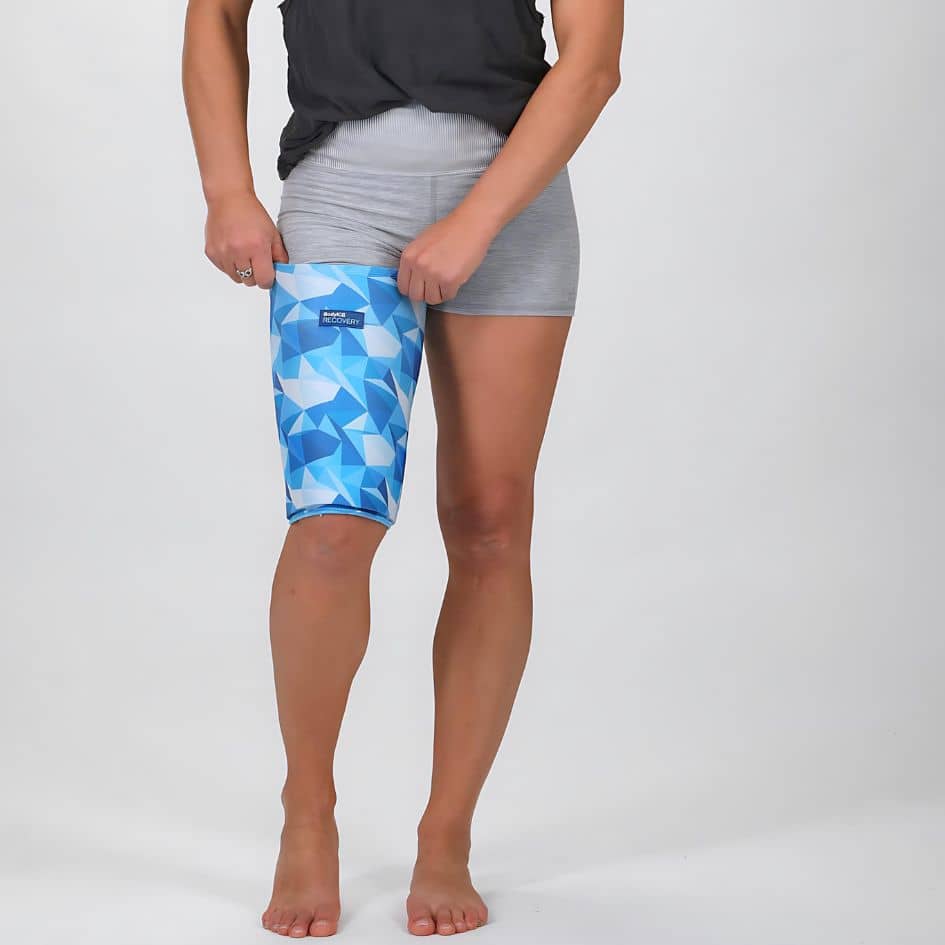
Explore the full range of BodyICE knee ice packs and hot and cold gel sleeves if you are looking for practical recovery tools that are easy to use at home.
Final Thoughts
Swelling after knee surgery is normal, but it can slow you down if it is not managed properly. The right mix of ice therapy, compression, elevation and guided movement can help reduce discomfort and support a smoother recovery.
If you are looking for the best ice pack for knee recovery, choose something that is simple, secure and designed for the joint you are treating. The easier it is to use, the more likely you are to use it consistently.
FAQs About Ice Therapy After Knee Surgery
How often should I ice my knee after surgery?
Many people use ice therapy several times a day, especially after rehab exercises, walking or when swelling increases. A common approach is 15 to 20 minutes at a time.
What is the best ice pack for knee surgery?
The best option is one that stays in place, covers the knee properly and offers compression. Knee-specific wraps and strapped ice packs are often easier to use than loose flat packs.
Does ice help reduce swelling after knee replacement?
Yes. Ice therapy is commonly used after knee replacement to help reduce swelling, ease pain and make movement more comfortable during recovery.
Can you ice too much after knee surgery?
It is best to avoid overly long sessions. Aim for shorter, regular sessions rather than leaving ice on for extended periods, and always protect your skin with a layer between the cold source and your body if needed.
Should I use heat or ice after knee surgery?
In the early stages after surgery, ice is generally preferred because it helps manage swelling and inflammation. Heat may be more appropriate later in recovery when swelling has settled, depending on your clinician’s advice.
Swelling is one of the most common and frustrating parts of recovering from knee surgery. Whether you’ve had an ACL reconstruction, meniscus repair, or knee replacement, post-operative swelling is a normal part of the healing process.
But managing swelling properly is critical. Excess swelling can limit mobility, delay rehabilitation and make recovery more uncomfortable.
The good news? There are simple and effective ways to reduce swelling and support your recovery so you can regain strength and confidence in your knee.











Leave a comment
All comments are moderated before being published.
This site is protected by hCaptcha and the hCaptcha Privacy Policy and Terms of Service apply.