

BodyICE Woman

Round Ligament Pain During Pregnancy

Round Ligament Pain During Pregnancy - BodyICE Australia

WHAT ARE ROUND LIGAMENTS?

Round ligaments are the supportive ligaments on either side of the uterus. These ligaments attach the uterus to the pelvis to support the uterus and keep it in place.

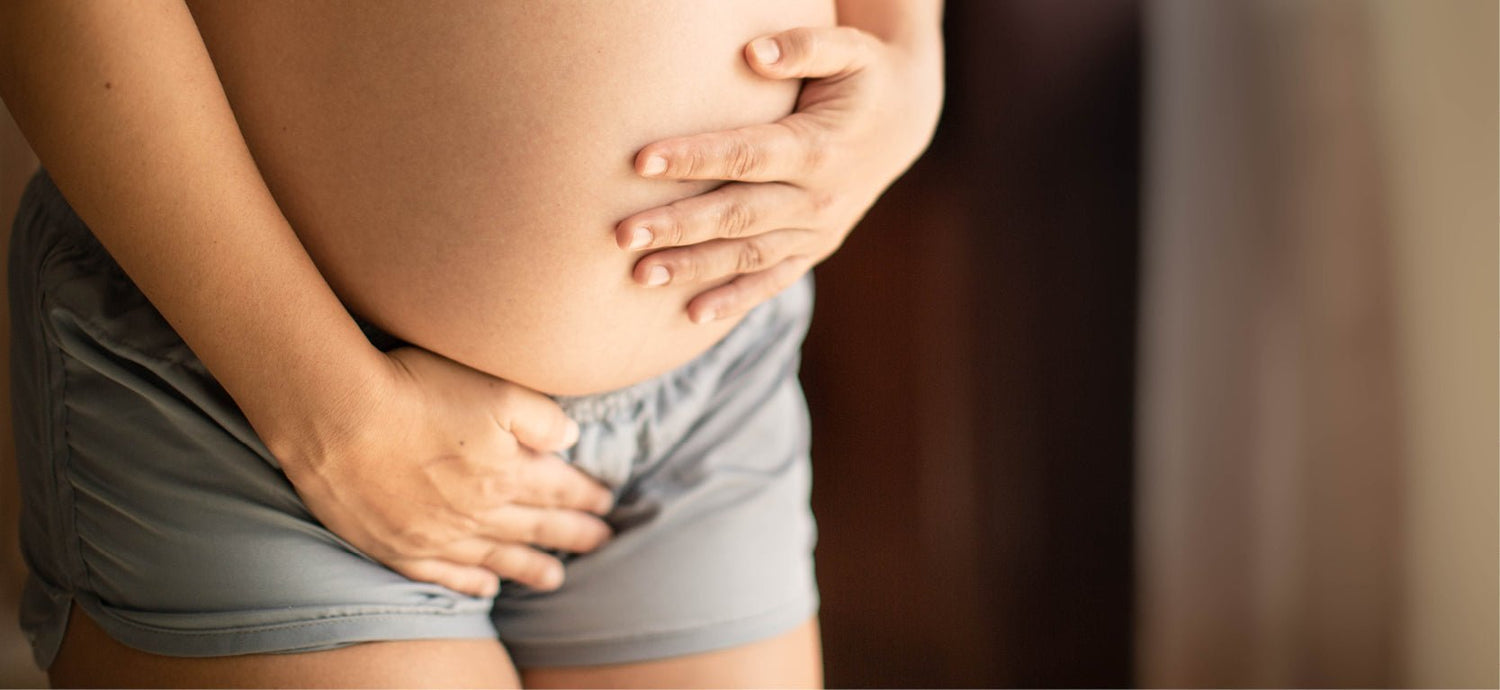
During pregnancy your hormones cause your ligaments to become loose and relaxed. As your uterus grows, it can tug on these ligaments and stretch them causing spasms. This can be painful for some women and is often described as short, painful spasms or cramps in the abdomen.

Pain may occur on one side of the abdomen or both sides. Abdominal pain during pregnancy can be scary, however round ligament pain is a normal part of pregnancy and nothing to be concerned about.


WHEN DOES ROUND LIGAMENT PAIN OCCUR?

Round ligament pain usually only occurs in pregnant women, however in some cases it may occur in non-pregnant women.

Round ligament pain is most common during the second trimester, however sometimes it continues into the third trimester as your uterus continues to grow.

Certain movements may make round ligament pain worse including sneezing, laughing, twisting, sudden movements, standing up, bending down to pick something up, rolling over in bed and walking.

WAYS THAT YOU CAN HELP ROUND LIGAMENT PAIN INCLUDE:

  • Wearing belly support bands
  • Apply BodyICE Back and Hip pack to lower abdomen for soothing heat therapy
  • Rest
  • Seeing a women’s health physiotherapist
  • Avoid lifting heavy things
  • Avoid standing for long periods of time
  • Try supporting your belly for laughing, sneezing or coughing
  • Pregnancy exercise to stretch your hips gently every day (pregnancy yoga is a great way to safely do this). Try the ZONE By Lydia prenatal at home yoga class
  • Try not to make sudden movements and change positions slowly
  • Talk to your healthcare professional about medications that are safe during pregnancy 

Image source: Healthline

Always call your healthcare provider if you’re concerned, have severe pain or you have pain that won’t go away. You should also call your health care professional if your pain is accompanied by fever or chills, pain with urination or pain with bleeding.


Leave a comment

All comments are moderated before being published.

This site is protected by hCaptcha and the hCaptcha Privacy Policy and Terms of Service apply.

MORE ARTICLES

View all
BodyICE RecoveryWhat Makes a Successful Athlete? It’s Not Just Winning

What Makes a Successful Athlete? It’s Not Just Winning

Success in sport isn’t just about winning. It’s about recovery, resilience, mindset, and the ability to stay in the game long term.

BodyICE RecoveryHow to use an ice pack for knee pain at home

How to Use an Ice Pack for Knee Pain | Best Way to Ice Your Knee

Learn how to use an ice pack for knee pain correctly, including when to ice, how long to use cold therapy, and which knee ice packs work best.

BodyICE RecoveryBest Ice Pack for Knee Surgery | ACL, Meniscus & Knee Replacement Recovery

Best Ice Pack for Knee Surgery | ACL, Meniscus & Knee Replacement Recovery

Looking for the best ice pack for knee surgery? Learn what works after ACL, meniscus and knee replacement, plus how to use ice therapy properly.