

How to Use an Ice Pack for Knee Pain (Correctly)
If you have knee pain, using an ice pack can be one of the simplest and most effective ways to reduce discomfort, calm inflammation and support recovery. But to get the best results, it helps to know when to use ice, how long to ice your knee, and which type of knee ice pack works best.
Whether you are managing swelling after surgery, recovering from sport, or dealing with a flare-up after walking or exercise, this guide explains how to use ice therapy properly at home.
In this article, we cover:
- when to use an ice pack for knee pain
- how long to ice your knee
- how often to use cold therapy
- what type of knee ice pack works best
- common mistakes to avoid

Why Use an Ice Pack for Knee Pain?
Cold therapy works by helping to reduce blood flow to the affected area for a short period of time, which can help ease swelling, inflammation and pain. It is commonly used after activity, after surgery, after physiotherapy, or during a flare-up when the knee feels hot, swollen or irritated.
Many people use an ice pack for knee pain to help with:
- swelling after ACL, meniscus or knee replacement surgery
- pain after exercise or sport
- arthritis-related flare-ups
- general knee soreness from overuse
- recovery after physio or rehabilitation exercises
Used correctly, cold therapy is a simple recovery tool that can fit easily into your daily routine.
When Should You Ice Your Knee?
The best time to use an ice pack is usually when your knee feels swollen, hot, painful or aggravated. This often happens:
- after surgery
- after rehab exercises
- after walking or standing for long periods
- after sport or training
- during an inflammation flare-up
If your knee is actively swollen or irritated, ice is generally more appropriate than heat. Heat can be useful in other situations, but for inflammation and swelling, cold therapy is usually the better first choice.
How Long Should You Ice Your Knee?
A good general guide is to use an ice pack on your knee for 15 to 20 minutes at a time. This is usually long enough to cool the area effectively without overdoing it.
Short, regular sessions are often more helpful than leaving ice on for too long. If needed, you can repeat this several times per day depending on your symptoms, activity level and recovery stage.
For many people, the sweet spot is:
- 15 to 20 minutes per session
- several times a day when symptoms are active
- especially after activity or rehab

How to Use an Ice Pack for Knee Pain Correctly
Using ice properly is simple, but a few small details make a big difference.
1. Choose a Knee-Specific Ice Pack
The easiest option is a knee ice pack designed for the joint. Flat packs can slide off or fail to cover the knee properly, especially if you are trying to rest or move around at home.
A purpose-designed knee ice pack helps deliver more targeted cold therapy and is usually much easier to use consistently.
2. Apply It for 15 to 20 Minutes
Use your ice pack for a short, controlled session rather than keeping it on for too long. This helps reduce discomfort without irritating the skin.
3. Rest and Elevate if Needed
If your knee is swollen, resting with your leg elevated can help improve fluid movement and reduce pressure around the joint. Ice and elevation often work well together.
4. Use It After Activity
One of the best times to ice your knee is after the activity that triggered the pain or swelling. This could be a physio session, gym workout, walk, training session or a busy day on your feet.
5. Stay Consistent
The best results usually come from regular use. A simple recovery tool you can use easily at home is often more effective than something complicated that gets left in the cupboard.
What Type of Knee Ice Pack Works Best?
The best option is one that is easy to use, stays in place and covers the knee properly.
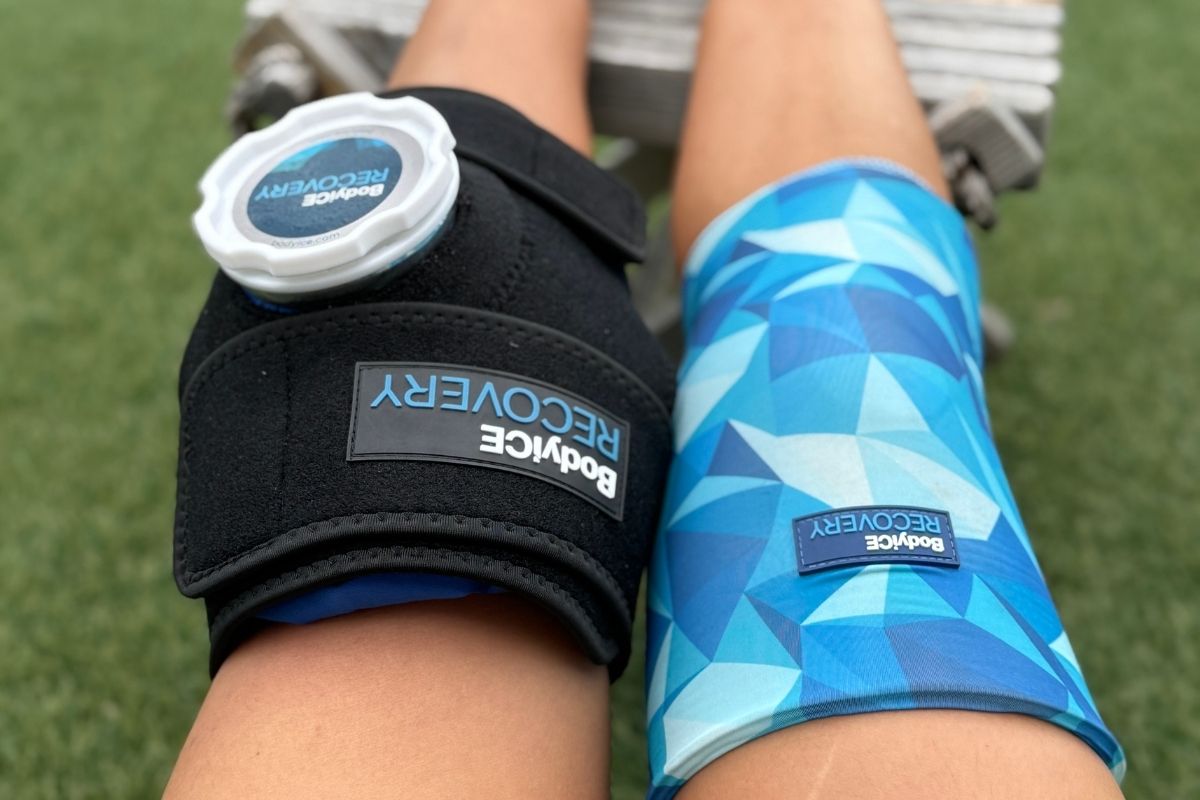
At BodyICE, our two main options for knee recovery are:
Hydrogel Knee Sleeve
A simple freeze-and-wear option that provides cold therapy with gentle compression. Great for people who want an easy, reusable sleeve that slips on quickly.
Knee Ice Pack with Strap
A traditional ice bag with a secure strap that wraps around the knee. A practical option if you want targeted cooling that stays in place while you rest.
Explore the Knee Ice Pack with Strap
Both are popular because they are simple to use at home, with no machines, no cords and no complicated setup. That simplicity is one reason BodyICE products are trusted by orthopaedic surgeons and used in hospitals nationwide.

Why Simplicity Matters in Recovery
When you are recovering from pain or surgery, easy wins matter. A recovery product needs to be simple for patients to use at home and practical for hospital staff to recommend as part of discharge and aftercare.
That is why many clinicians prefer solutions without cords, machines or trip hazards. Simple cold therapy options are easier to manage, easier to repeat throughout the day and easier to build into a real recovery routine.
If you are looking for a practical solution, browse our full range of knee ice packs.
Common Mistakes to Avoid
Leaving Ice on Too Long
More is not always better. Stick to shorter sessions rather than extended icing.
Using a Flat Pack That Slips Off
If the pack will not stay where you need it, you are less likely to use it consistently. A knee-specific wrap or sleeve is easy and effective which means you'll use it more consistently.
Waiting Until the Knee Is Very Swollen
Ice can be most helpful when used early, especially after activity or rehab.
Only Using Ice Occasionally
Recovery is often about consistency. A simple routine works better than random use.
Does Ice Help After Knee Surgery Too?
Yes. Ice therapy is commonly recommended by orthopaedic surgeons for use after ACL reconstruction, meniscus surgery and knee replacement surgery to help manage swelling, pain and stiffness.
If you are recovering after surgery, these guides may also help:
- How to Reduce Swelling After Knee Surgery
- Best Ice Therapy After Knee Replacement: When & How to Use It
- Best Ice Pack for Knee Surgery
Final Thoughts
If you are wondering how to use an ice pack for knee pain, the answer is usually quite simple: use the right pack, use it for 15 to 20 minutes, and use it consistently when your knee is swollen or aggravated.
The best knee ice pack is one that fits easily into real life and makes recovery feel manageable. When a product is simple to use, you are far more likely to use it regularly.
FAQs
How long should I ice my knee for?
A good general guide is 15 to 20 minutes at a time.
How often can I use an ice pack on my knee?
You can use it several times a day when needed, especially after activity, rehab or when swelling flares up.
Should I use heat or ice for knee pain?
If the knee is swollen, inflamed or hot, ice is usually the better option. Heat may be more appropriate in other situations when swelling is not the main issue.
What is the best ice pack for knee pain?
The best option is one that stays in place, covers the joint and is easy to use at home. Knee-specific sleeves and strapped ice packs are often more practical than flat packs.
Can I use an ice pack after knee surgery?
Yes. Ice therapy is widely used after knee surgery to help manage swelling, pain and stiffness during recovery.



Leave a comment
All comments are moderated before being published.
This site is protected by hCaptcha and the hCaptcha Privacy Policy and Terms of Service apply.