

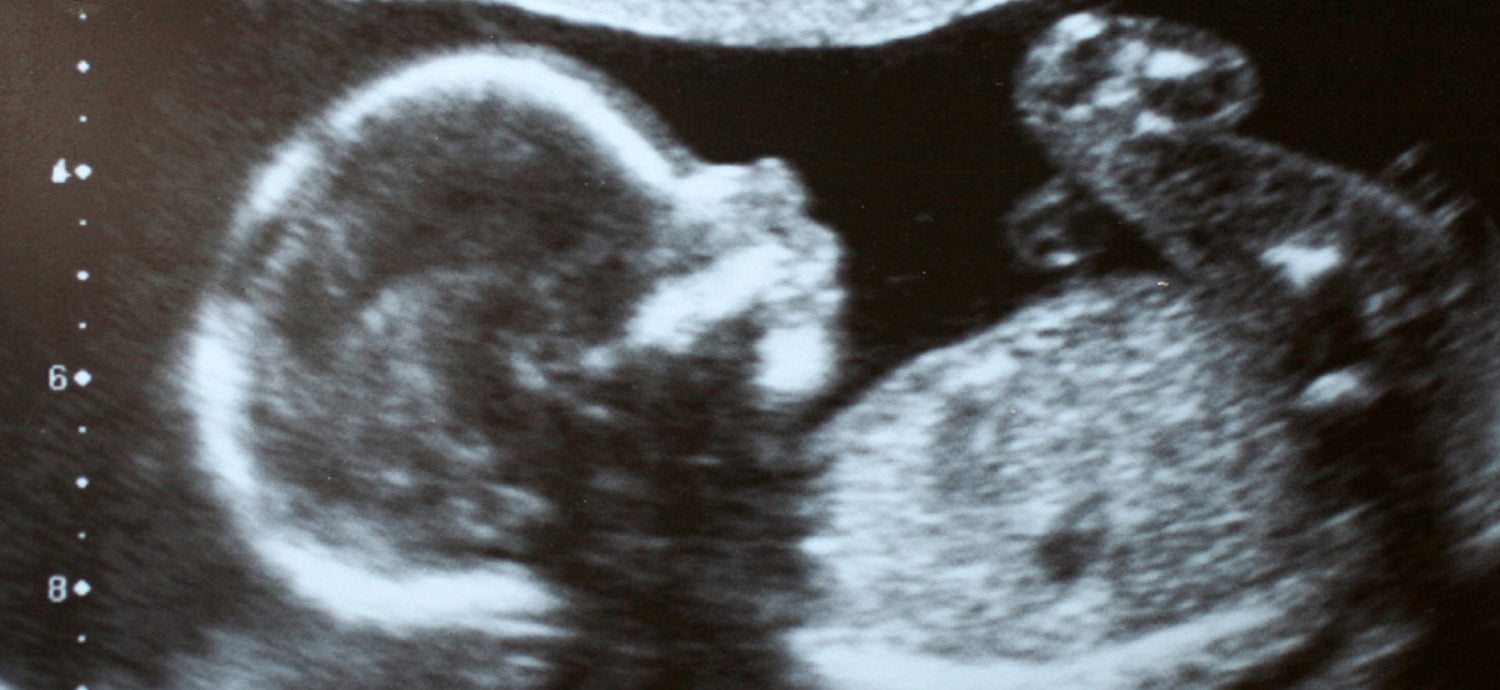

During pregnancy your baby receives all the necessary nutrition, oxygen, and life support in the placenta from the blood vessels in the umbilical cord. Waste products and carbon dioxide from baby are sent back through the umbilical cord and placenta to mums circulation to be eliminated.
When do babies start to taste?

A baby's sense of taste begins to form at 8 weeks' gestation, when a cluster of receptors begin to form where their tongue will be and nerve cells are beginning to connect to the brain from different areas of the body. These receptors in the mouth eventually become tastebuds and when the neurological connections are made begin to recognise taste sensations like sweet, salty, bitter and sour.
Amniotic fluid can be “flavoured” because by the second trimester of pregnancy, a foetus is able to swallow amniotic fluid (a near-term foetus can swallow up to 1000 ml of amniotic fluid per day, which is about 50% of the entire volume of fluid in the sac!) This swallowing helps to regulate the amount of fluid in the amniotic sac and can assist with the development of the baby’s digestive and respiratory systems, as well as giving the fluid a distinct flavour and odour, depending on mums diet. Around week 16 is when the taste pores are developed and as the fluid flows across the tongue on the way to the baby’s digestive system, molecules in the fluid will interact with the taste buds, and your baby will experience the sensation of taste.
Research shows that when the baby swallows this fluid, the olfactory (smell) receptors in the nose are also exposed to these odorous molecules. Your baby is then familiar with these “smells” and so will have a preference for foods with these flavours once they are born! So you really are eating for 2!
What should you eat during pregnancy?

With this in mind, remember to eat a varied diet during pregnancy and enjoy lots of different and flavourful foods to stay healthy and set the stage for your baby to enjoy diverse tastes as well! Aim for a balanced and colourful plate with a combination of all the 5 food groups and of course drink plenty of water every day to stay hydrated.
- Vegetables and legumes
- Breads and cereals
- Milk, yoghurt and cheese
- Meat, poultry, fish and alternatives
- Fruit
Click here to read more pregnancy and postpartum recovery blogs from BodyICE Woman.



Leave a comment
All comments are moderated before being published.
This site is protected by hCaptcha and the hCaptcha Privacy Policy and Terms of Service apply.